

What security measures are needed for a 155Mbps network?
Nov 12, 2026
Leave a message
Hey there! As a provider of a 155Mbps network, I've dealt with tons of stuff related to network security. Trust me, securing a 155Mbps network isn't a walk in the park. It needs a whole bunch of security measures to protect data and keep things running smoothly. In this blog, I'll chat about the key security measures needed for a 155Mbps network.
1. Firewall Protection
First off, a firewall is like a bouncer for your network. It controls the incoming and outgoing network traffic based on pre - set security rules. For a 155Mbps network, having a good firewall is a must. It stops unauthorized access, blocks malicious traffic, and protects your network from external threats.
There are different types of firewalls, like packet - filtering firewalls, stateful inspection firewalls, and application - layer firewalls. Packet - filtering firewalls look at the source and destination IP addresses, ports, and protocols of each packet. Stateful inspection firewalls go a step further by keeping track of the state of network connections. Application - layer firewalls can understand the content of application - layer traffic, which makes them super effective in blocking attacks like SQL injection and cross - site scripting.
For our 155Mbps network, a stateful inspection firewall is usually a great choice. It can handle the traffic volume well and provides a good balance between security and performance. That way, your network can keep that 155Mbps speed without getting bogged down by security issues.
2. Intrusion Detection and Prevention Systems (IDPS)
An IDPS is another crucial part of network security. An intrusion detection system (IDS) monitors network traffic for signs of malicious activity. When it detects something fishy, it alerts the network administrator. An intrusion prevention system (IPS), on the other hand, not only detects but also takes action to block the threat.
For a 155Mbps network, a properly configured IDPS can help identify and stop attacks such as Distributed Denial - of - Service (DDoS) attacks, malware infections, and unauthorized access attempts. There are signature - based IDPSs that look for known attack patterns and anomaly - based IDPSs that detect deviations from normal network behavior.
Combining both types can give your 155Mbps network extra - strong protection. You can catch those known threats with signature - based systems and find new, unknown threats through anomaly detection.
3. Regular Software Updates
I can't stress this enough: keeping your network software up - date is vital. Software vendors are always releasing updates to fix security vulnerabilities. If you don't update your operating systems, routers, switches, and other network devices, you're leaving the door wide open for hackers.
For a 155Mbps network, outdated software can not only lead to security breaches but also slow down your network performance. New updates often come with performance improvements as well as security patches. Set up a regular schedule for updating all your network equipment. That way, you can enjoy a secure and fast 155Mbps network.
4. Encryption
Encryption is like putting your data in a locked box. It scrambles your data so that even if someone manages to intercept it, they can't make sense of it. For a 155Mbps network, encryption is essential, especially when transmitting sensitive data.
There are different levels of encryption you can use. For example, SSL/TLS encryption is commonly used for securing web traffic. It's what makes those little "https" in your web browser address bar. If you're dealing with data storage, encrypting your hard drives can protect your data if the drive is ever stolen or lost.
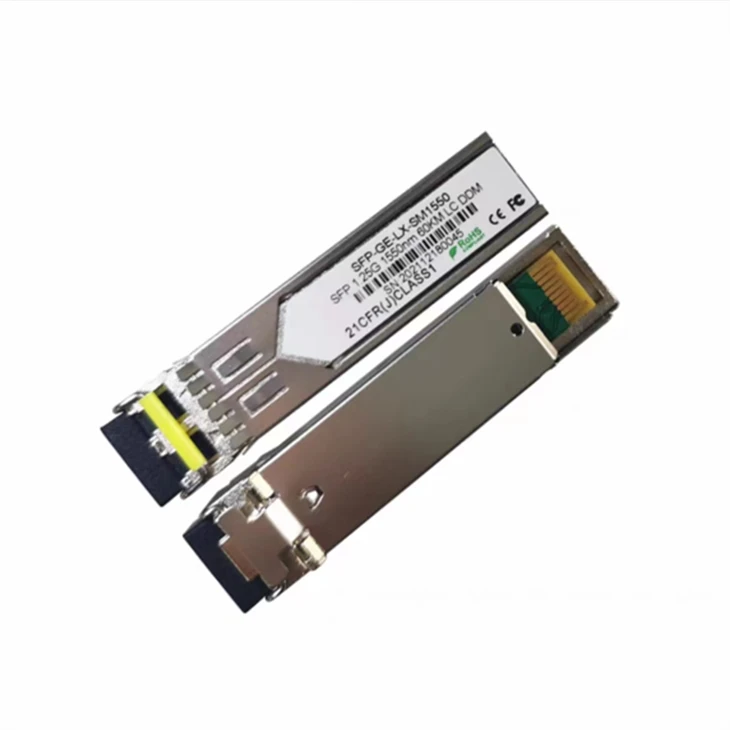
Some of the optical transceivers we deal with, like the 200G QSFP56, 25Gbps SFP28, 2.5Gbps SFP, 800G OSFP112 and QSFP - DD, and 1.25Gbps SFP, can support encrypted data transmission, which adds an extra layer of security to your 155Mbps network.
5. User Authentication and Authorization
Controlling who can access your network is a big deal. User authentication is the process of verifying the identity of a user, and authorization is about deciding what resources that user can access.
Implement strong password policies for all users. Passwords should be long, complex, and changed regularly. You can also use multi - factor authentication, like requiring a password and a one - time code sent to a mobile device.
For authorization, use role - based access control (RBAC). This way, users only have access to the resources they need to do their jobs. For a 155Mbps network, proper user authentication and authorization can prevent unauthorized users from getting in and causing trouble.
6. Network Segmentation
Network segmentation is like dividing your network into smaller, more manageable parts. Each segment can have its own security rules and access controls. This way, if one part of the network gets compromised, the damage won't spread to the whole network.
For a 155Mbps network, you can segment your network based on departments, functions, or security levels. For example, you can have a separate segment for your finance department, which deals with sensitive financial data. This segment can have stricter security measures compared to other parts of the network.
7. Backup and Disaster Recovery
No matter how well you secure your network, unexpected things can still happen. That's why having a backup and disaster recovery plan is crucial. Regularly back up your important data to an off - site location. That way, if there's a security breach, a natural disaster, or a hardware failure, you can quickly restore your data.
Test your backup and recovery processes regularly to make sure they work. For a 155Mbps network, a good backup and disaster recovery plan can minimize downtime and keep your business running smoothly.
Conclusion
Securing a 155Mbps network requires a combination of different security measures. From firewalls and IDPSs to encryption and user authentication, every step plays an important role in protecting your network. And don't forget about network segmentation and backup plans.
If you're looking to improve the security of your 155Mbps network, or you're in the market for high - quality optical transceivers like the ones I mentioned (check out 200G QSFP56, 25Gbps SFP28, 2.5Gbps SFP, 800G OSFP112 and QSFP - DD, 1.25Gbps SFP), feel free to reach out for a procurement discussion. We're here to help you build a secure and fast network.
References
- “Network Security Basics,” Cisco Systems.
- “Firewall Fundamentals,” Juniper Networks.
- “Encryption in Modern Networks,” HP Enterprise.